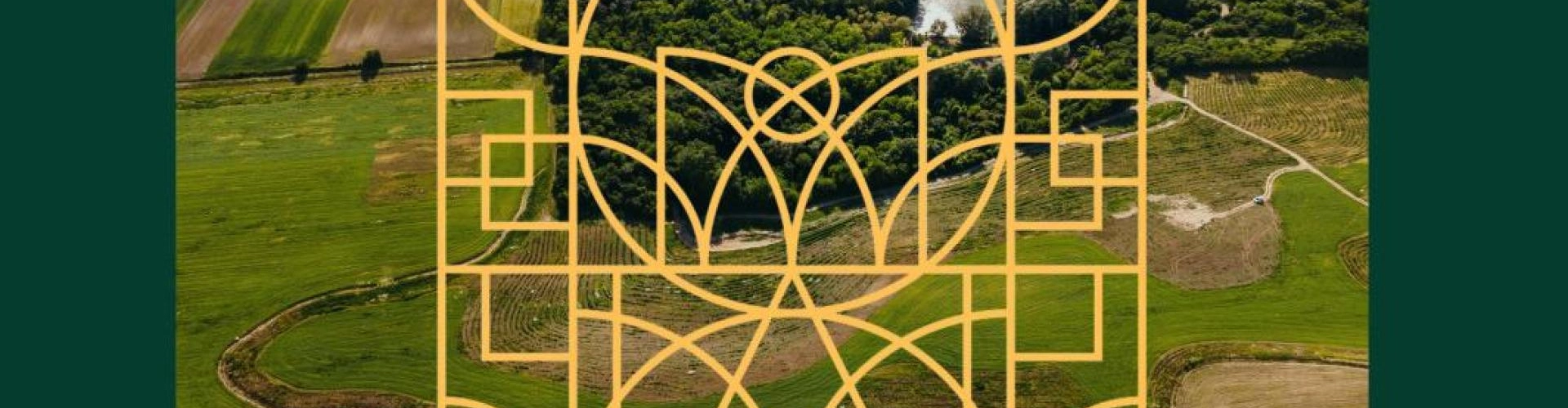
Managed by a core strategic team including Mate Tuba and Matyas Revai, the initial development phase of the privately funded Blue-lake (Manas Garden) initiative focused on catalysing the comprehensive early-stage transformation of an 80-hectare regenerative demonstration site. The team navigated complex multi-interest settings through expert stakeholder facilitation and strategic rule setting. By bridging the gap between visionary ecological goals and practical land-use policy, the management successfully aligned a diverse alliance of architects, landscape architects, researchers, earthworkers, and builders.
Key activities included the execution of a sophisticated regenerative development process, encompassing ecological, soil, meteorological, and hydrological research, alongside multi-layered spatial mapping and regenerative landscape design. Implementation focused on the establishment of blue-green infrastructure, essential access roads, and cutting-edge eco-buildings. This process involved international building weeks, creating a tangible nexus between sustainable construction and professional upskilling.
The project’s social architecture was as robust as its ecological foundation, directly benefiting a wide spectrum of participants. By prioritizing vulnerable social groups, the project provided regenerative, land-based employment to approximately 100 local individuals, fostering economic resilience in the region. Additionally, the site served as a global classroom, hosting 60 international volunteers through intensive building camps and engaging thousands of visitors via large-scale art events. During the two-year initial phase, 3 kilometres of water retention ditches were implemented; since then, hundreds of thousands of cubic meters of runoff water have infiltrated the earth, effectively recharging the aquifer. Furthermore, 110,000 trees and bushes were planted, including 30 different species to maximize biodiversity. The project created a national blueprint for landowners interested in regional development while directly upskilling 70 local and international experts who participated in this diverse implementation coalition.
